
SG-PPS
Detect Pipeline Interference Before It Becomes a Breach
A buried, DSP-powered seismic sensor cable that monitors every meter of your pipeline route, detecting digging, illegal tapping, and unauthorized access in real time.
Third-Party Interference Detection, Built for Pipelines
SG-PPS is built on SensoGuard's InvisiFence Plus architecture: fully digital seismic sensors, each with an embedded DSP chip, form a distributed sensor line along the pipeline route. On-sensor signal processing enables precise localization of every event, so your team knows exactly where along the line a threat occurred.
The result is continuous, all-weather coverage that operates below ground and out of sight, with no impact on pipeline operations.
Request a Quote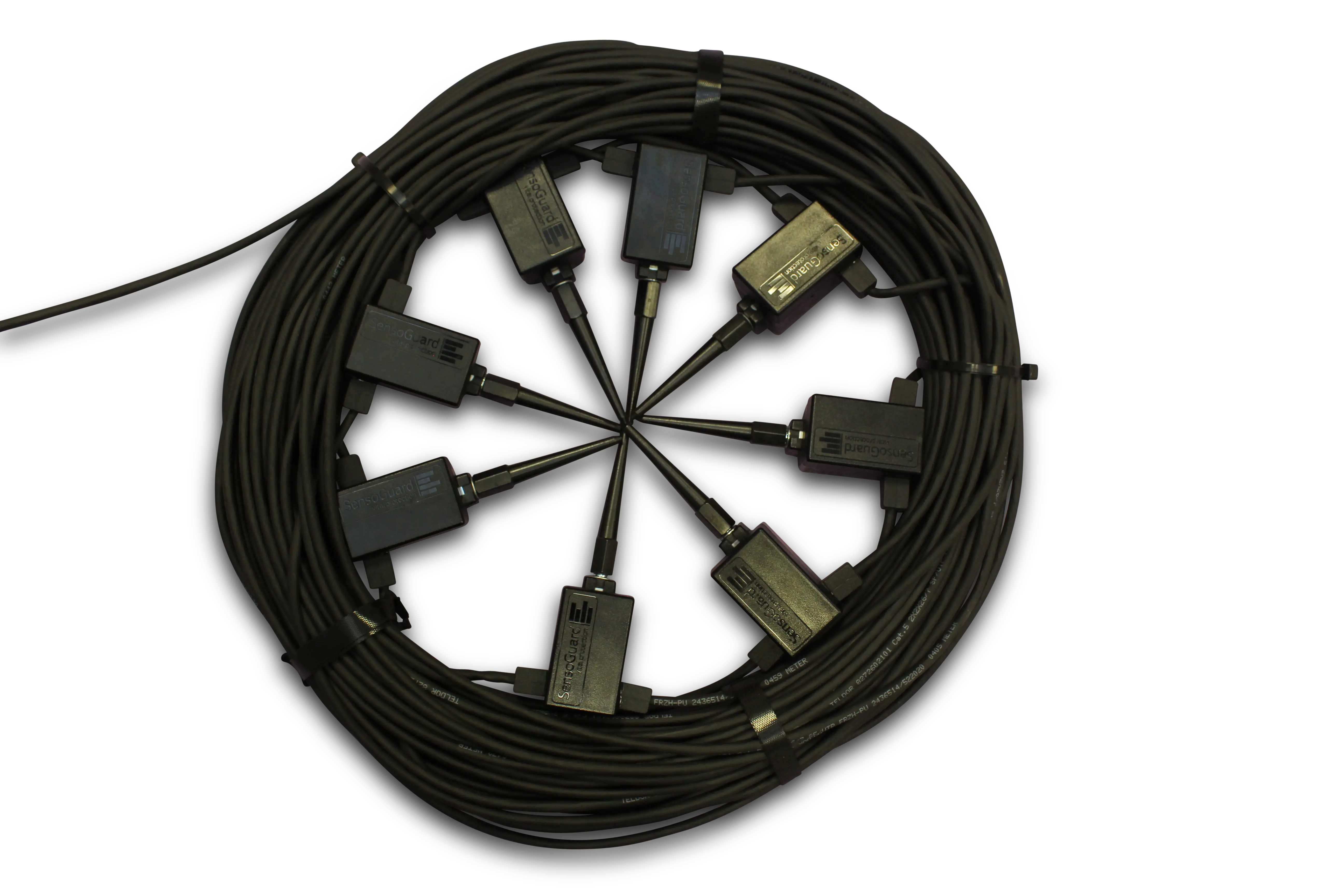
How SG-PPS Works
From first vibration to a verified, located alert
Detect
DSP-equipped seismic sensors buried along the pipeline pick up digging, tapping, or intrusion the instant it starts.
Localize
Each sensor's onboard DSP processor pinpoints exactly where along the line the event took place.
Alert
The Hub unit reports the event over RS485 to CCS, delivering a located, graphical alarm to your monitoring team.
Modular, Redundant, Built to Scale
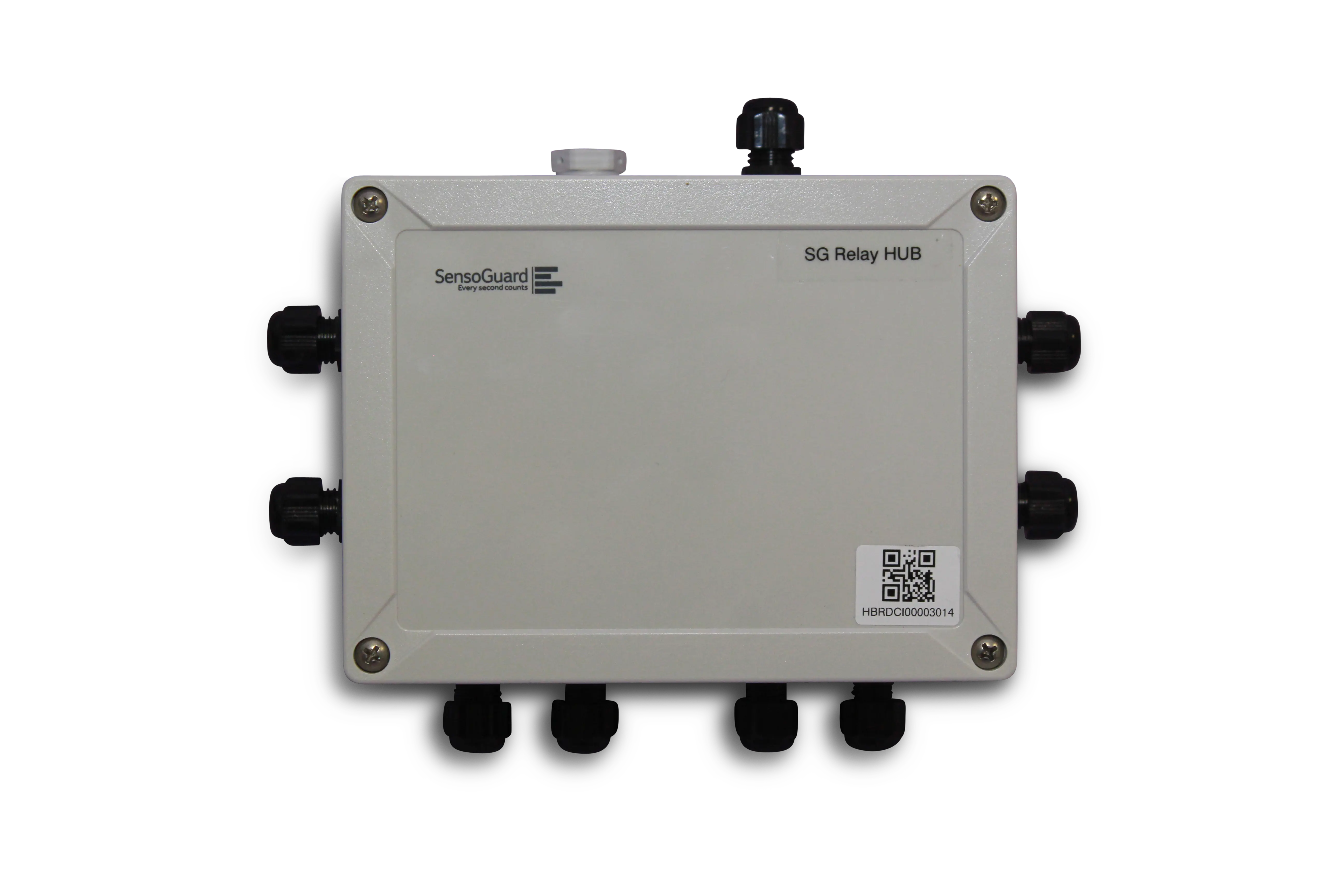
The sensor line connects to a Hub unit over an RS485 bus, forming 1km sections. Multiple sections link together to protect pipeline networks of any length, each maintaining its own redundancy so a fault in one section never takes down another.
The line can be cut and reconnected to a Hub at any point, so sections can be added exactly where they're needed as your protected route grows.
Built for Real-World Pipeline Operations
Plug & Play
Simple installation with only brief training required for field teams.
Flexible Layout
Install selectively on the pipeline sections most exposed to theft or tampering.
Cost Effective
Low total cost of ownership across the full system lifecycle.
Reliable Detection
Minimizes false alarms while maintaining full sensitivity to real threats.
Configure, Monitor, and Manage
SG-PPS is supported end-to-end by SensoGuard's software suite
Site Design
Plan system layout and sensor placement along your pipeline route before installation.
PC Suite
Configure and adjust sensor sensitivity for every unit in the field.
CCS
Graphical alarm reporting with VMS software integration for 24/7 monitoring.
Works With Your VMS
CCS connects SG-PPS alarms directly into the video management platform your control room already runs







Protecting Pipelines From Theft, Tapping, and Leaks
Oil and gas pipelines often run through remote, unmonitored terrain, exposed to illegal tapping, theft, and the environmental risk of an undetected leak. Constant human patrol across those distances isn't practical. SG-PPS gives your team continuous, automated coverage instead.
See the Full Pipeline Protection Use Case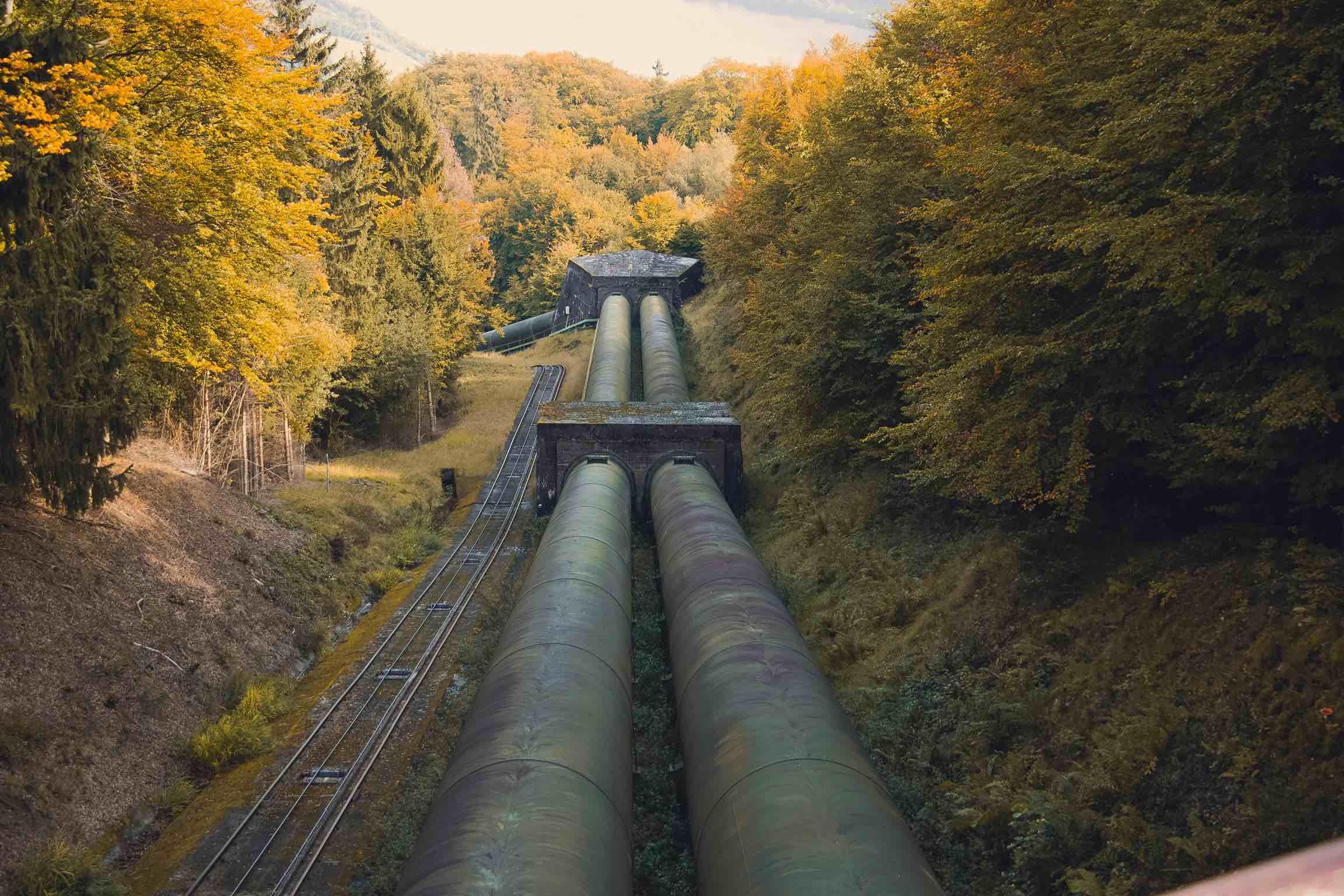
Technical Details
Full specifications for every component in the SG-PPS system.
Detection Capabilities
| Footsteps Detection | Up to 12m / 39ft radius |
| Vehicle Detection | Up to 25m / 82ft radius |
| Digging Detection | Up to 25m / 82ft radius |
| Localization | Per-sensor, via embedded DSP processor |
Communication
| Maximum Sensors | Up to 38 sensors per string |
| Bus Communication | RS485 |
| Section Length | 1km per Hub-managed section |
| Sections Supported | Unlimited, fully redundant |
Environmental & Power
| IP Rating | IP68 (MIL-STD 810G) |
| Operating Temperature | -40°C to 85°C / -40°F to 185°F |
| Power Supply | 12V (9 to 20VDC) |
| Power Consumption | ~15mW (1.3mA @ 12V) |
Physical Specifications
| Dimensions (Sensor) | 131mm x 50mm x 42mm / 5.1″ x 1.96″ x 1.65″ |
| Dimensions (Spike) | 55mm / 2.16″ |
| Weight (Each Sensor) | 115g / 0.2lbs |
| Installation Depth | 30-50cm / 11.8″-19.6″ |
Capacity
| Maximum Sensors | Up to 38 sensors per string |
| Section Length | 1km, cut and reconnect at any point |
| Alarm Output Options | 18 Dry Contacts |
| External Sensor Alarm Inputs | 6 Alarm Inputs |
Environmental & Power
| IP Rating | IP67 |
| Operating Temperature | -40°C to 85°C / -40°F to 185°F |
| Power Supply | 12V (9 to 20VDC) |
Physical Specifications
| Weight | 475g / 1.0lbs |
| Dimensions | 190mm x 150mm x 55mm / 7.4″ x 5.9″ x 2.1″ |
Why Seismic Outperforms Fiber Optic and Leaky Coax
Three buried technologies dominate pipeline and perimeter monitoring: seismic sensors, fiber optic cable, and leaky coax cable. Here's how they compare.
| Criteria | Seismic (SG-PPS) | Fiber Optic | Leaky Coax |
|---|---|---|---|
| Installation depth tolerance | Flexible, 30–50cm without a performance penalty | Critical, typically within 20cm | Critical, roughly 23cm |
| Sensitivity to metal or water nearby | Unaffected | Generally unaffected | Must stay clear of metal; standing water/snow can cause false alarms |
| Repair complexity | Components replace quickly and easily | Delicate, risks further mechanical damage | Requires precise fault location and re-installation |
| Recalibration needs | Adaptive algorithm learns the environment, no manual recalibration | Stable once installed correctly | Periodic recalibration as soil conditions change |
| Cost for runs under ~2km | Typically the most cost-effective | Typically more expensive at this length | Comparable to seismic |
| Best for very long runs (10km+) | Requires more Hub-managed sections | A single controller can span tens of kilometers | Requires more local controllers |
For most pipeline runs under roughly 10km, seismic detection combines the lowest installation sensitivity with the simplest maintenance. Read the full buried-sensor comparison →
Secure Your Pipeline Network
Get a custom quote and see how SG-PPS protects pipelines from theft, tapping, and leaks
Frequently Asked Questions
Have questions about SG-PPS? Browse through our frequently asked questions to learn more about detection, installation, coverage, and monitoring for pipeline protection.
What does SG-PPS actually detect?
SG-PPS detects Third Party Interference (TPI) along oil and gas pipelines, including digging, illegal tapping, and unauthorized access, alerting your team before the pipeline is breached.
How is the sensor cable installed?
SG-PPS is Plug & Play. The sensor line is buried above the pipeline route and wired into Hub units, with only brief training required for installation and setup.
How much of the pipeline can one system cover?
Each Hub unit manages a 1km section of sensor cable, and an unlimited number of sections can be linked together to protect pipeline networks of any length, with full redundancy and no single point of failure.
Can I protect only the most vulnerable sections of my pipeline?
Yes. SG-PPS uses a flexible layout, sections can be installed selectively on the pipeline segments most exposed to theft or tampering rather than the entire route.
How do I configure and monitor the sensors?
Does weather affect detection accuracy?
No. The sensor cable is fully buried and detects underground vibration rather than surface conditions, so rain, wind, and temperature extremes don't affect detection accuracy.