
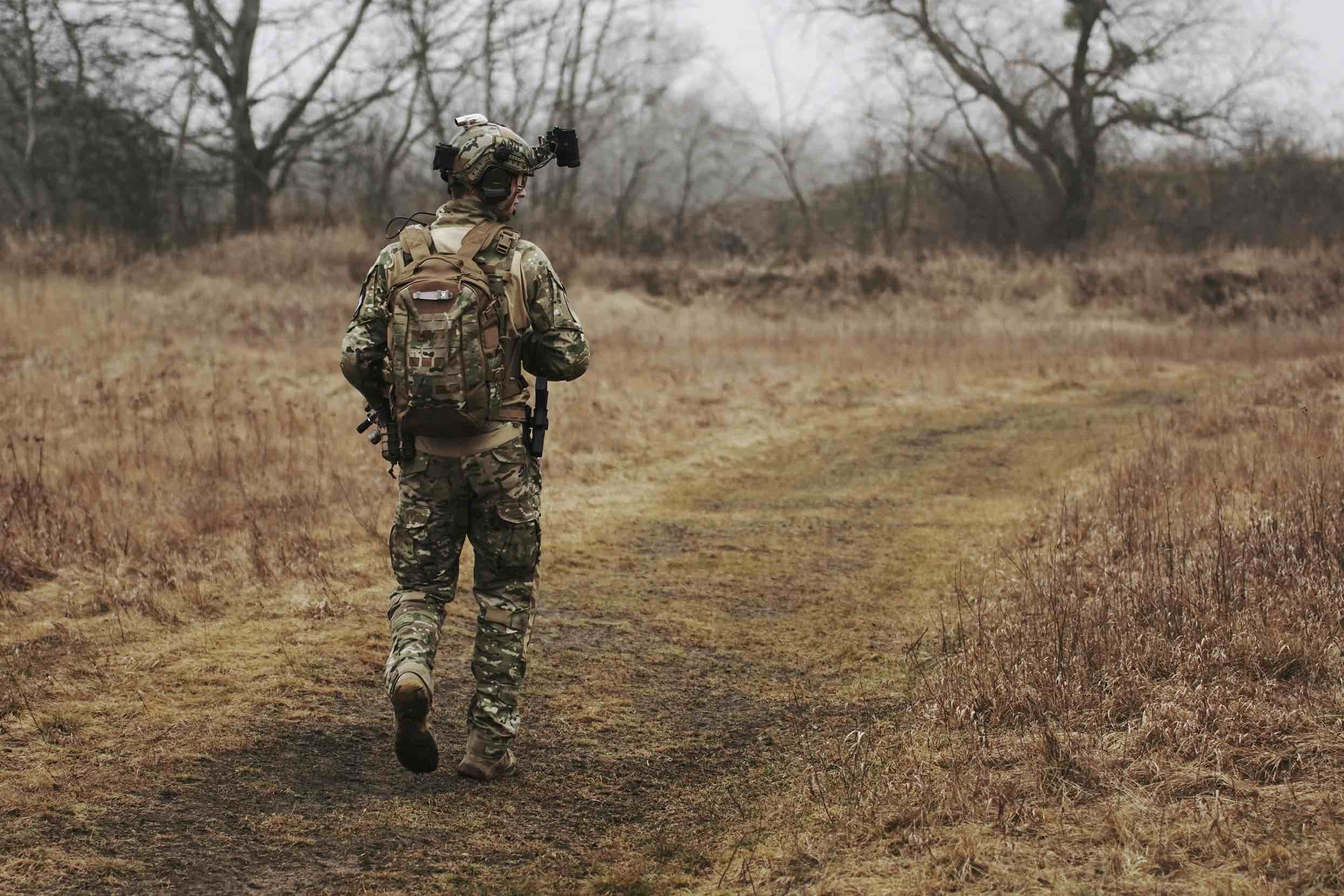
MOSS
Mobile Operations Sensors System. Rapid deployment seismic sensors for military operations, border security, and temporary monitoring.
Rapid Deployment. Continuous Coverage.
MOSS sensors go from case to covert coverage in minutes, run for up to a year on a single battery, and keep working through extreme field conditions.
Built for Every Environment
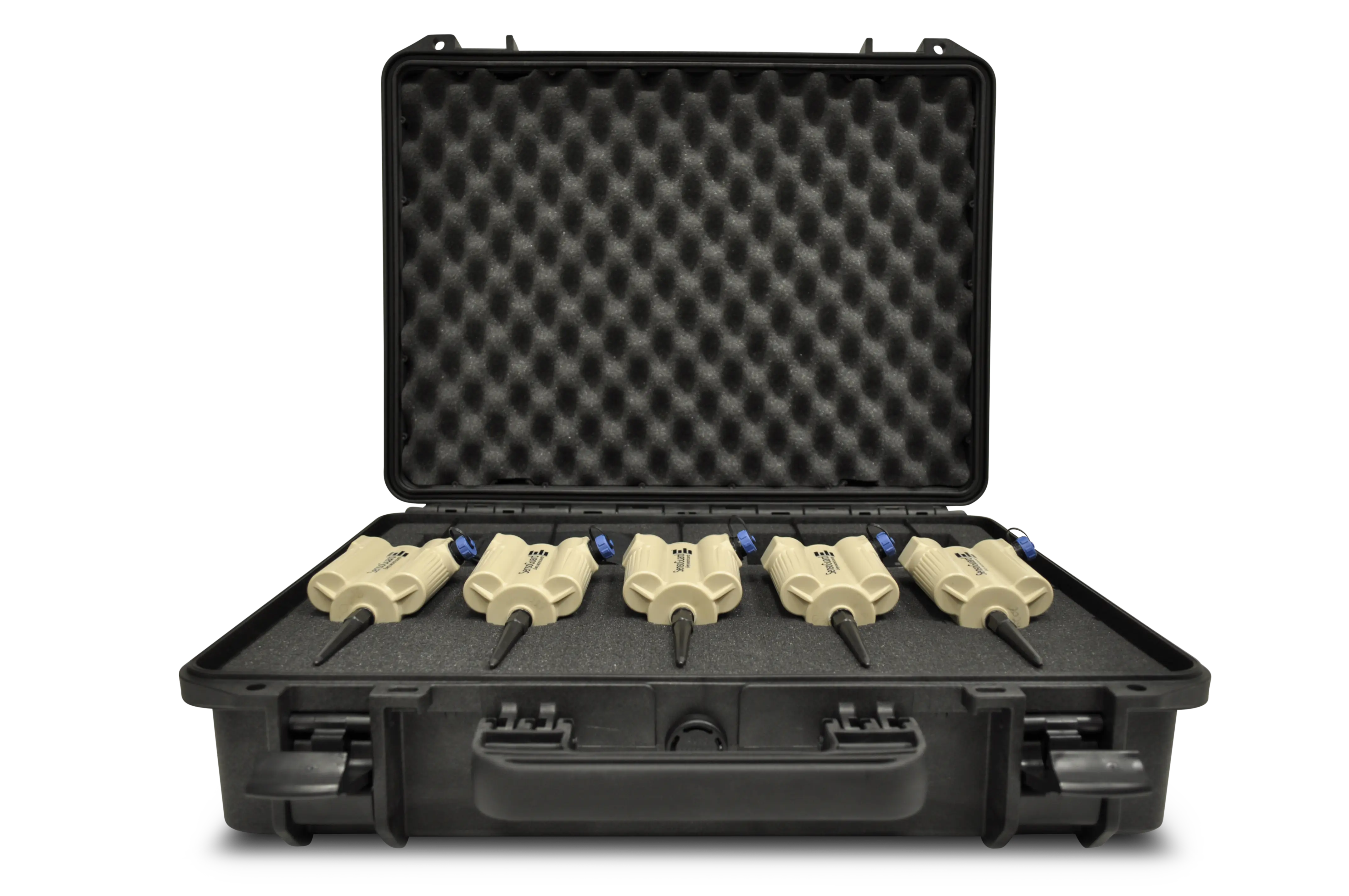
MOSS Outdoor
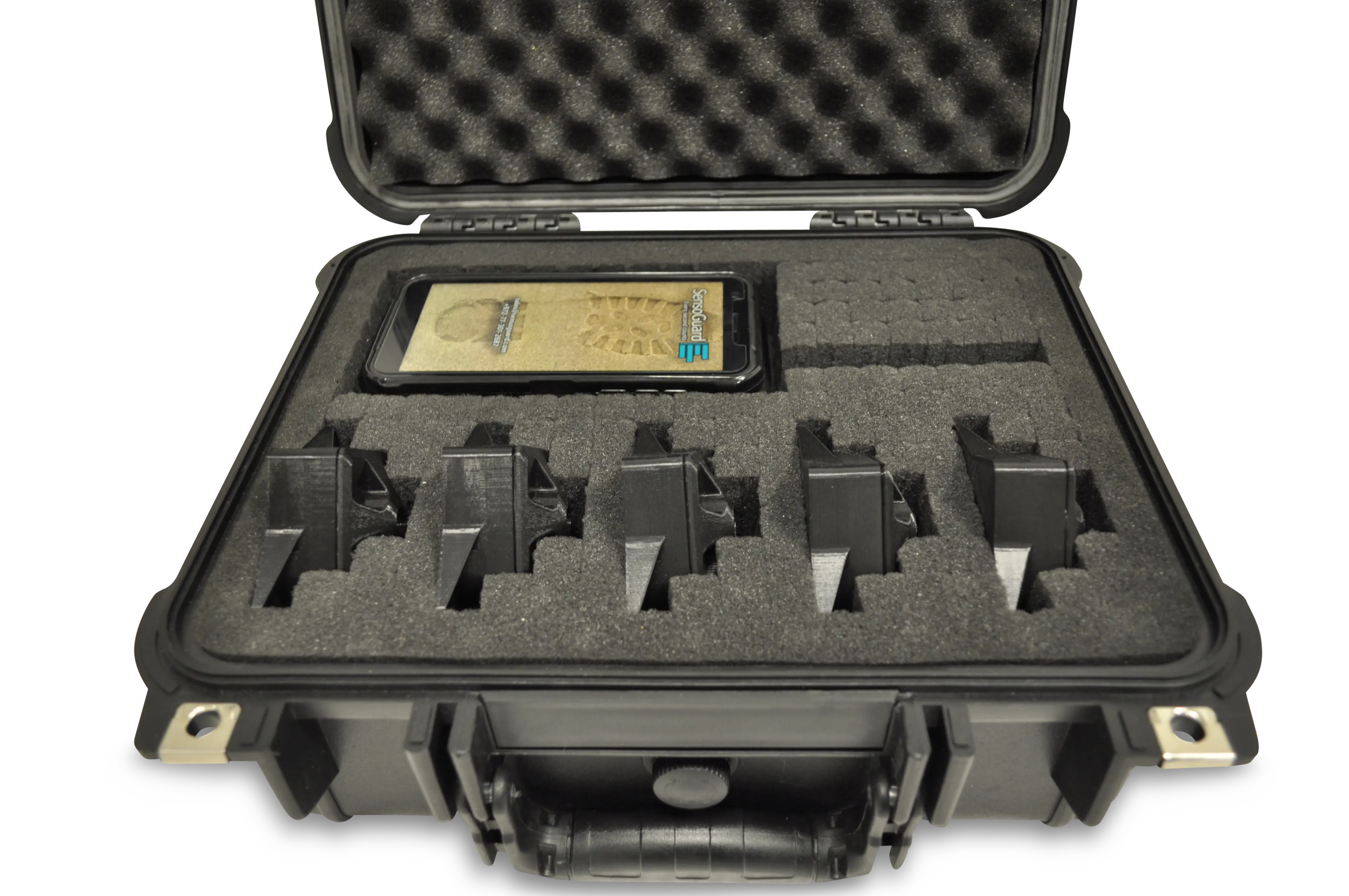
MOSS Indoor
A Sensor for Every Mission Profile
MOSS pairs seismic detection with tactical PIR, radar, and vibration sensors for coverage across any terrain or mission.
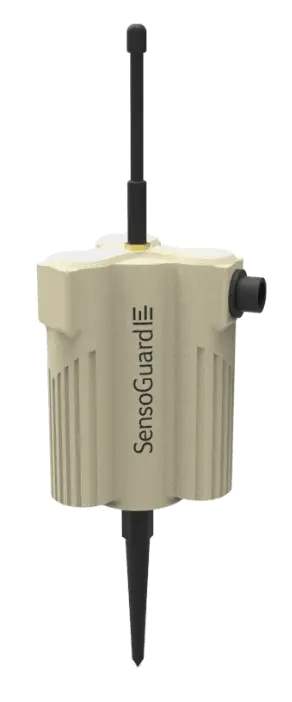
AIO 2
The all-in-one seismic sensor that combines detection and processing in a single rugged unit, the core building block of every MOSS deployment.
 Up to 18m / 60ft
 Up to 35m / 115ft
 Up to 35m / 115ft
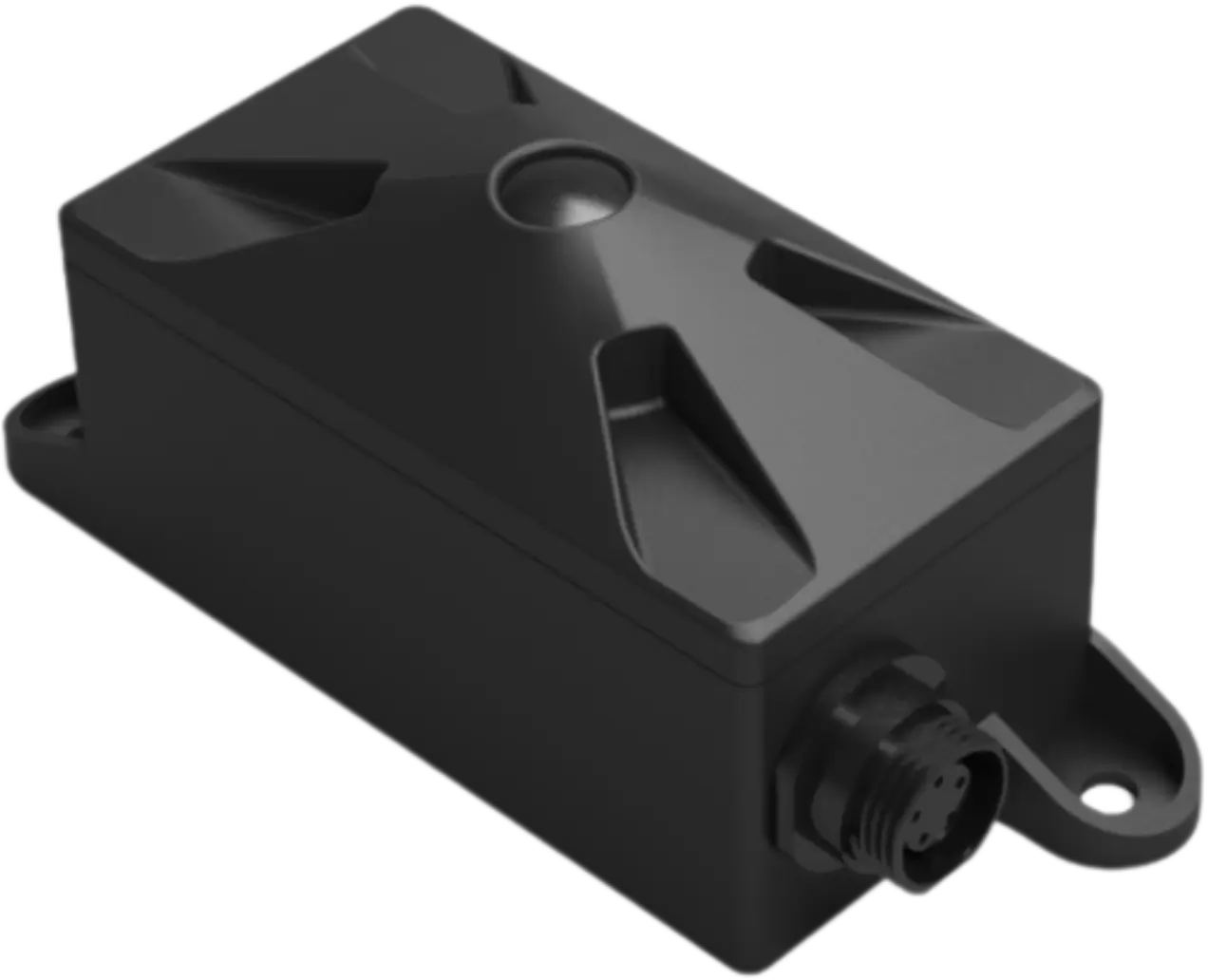
TACT-PIR
A passive infrared sensor for tactical deployments, adding heat-signature detection alongside seismic coverage.
 10m / 32.8ft
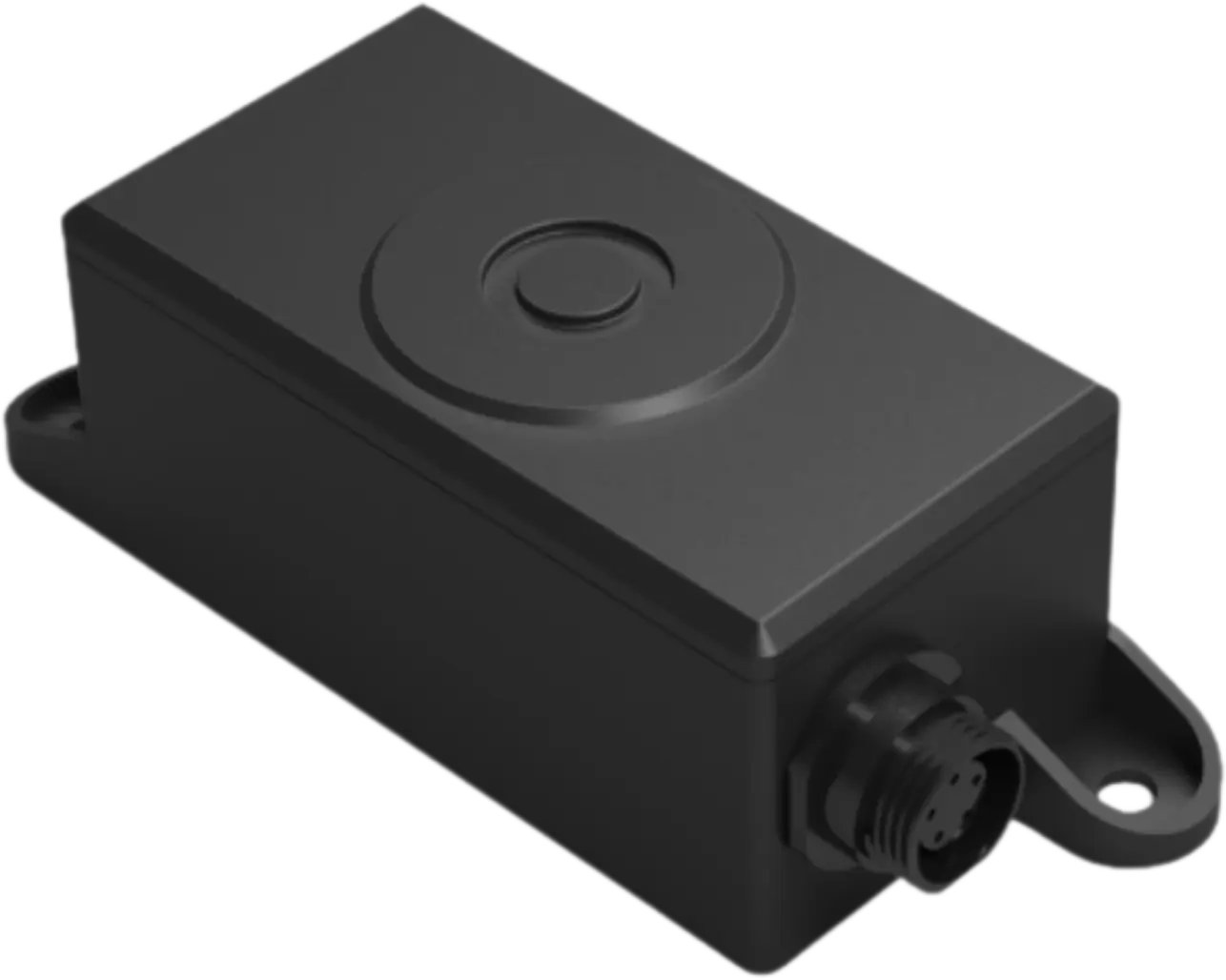
TACT-RADAR
A radar-based sensor for tactical operations, extending detection to line-of-sight movement across open terrain.
 5m / 16.4ft
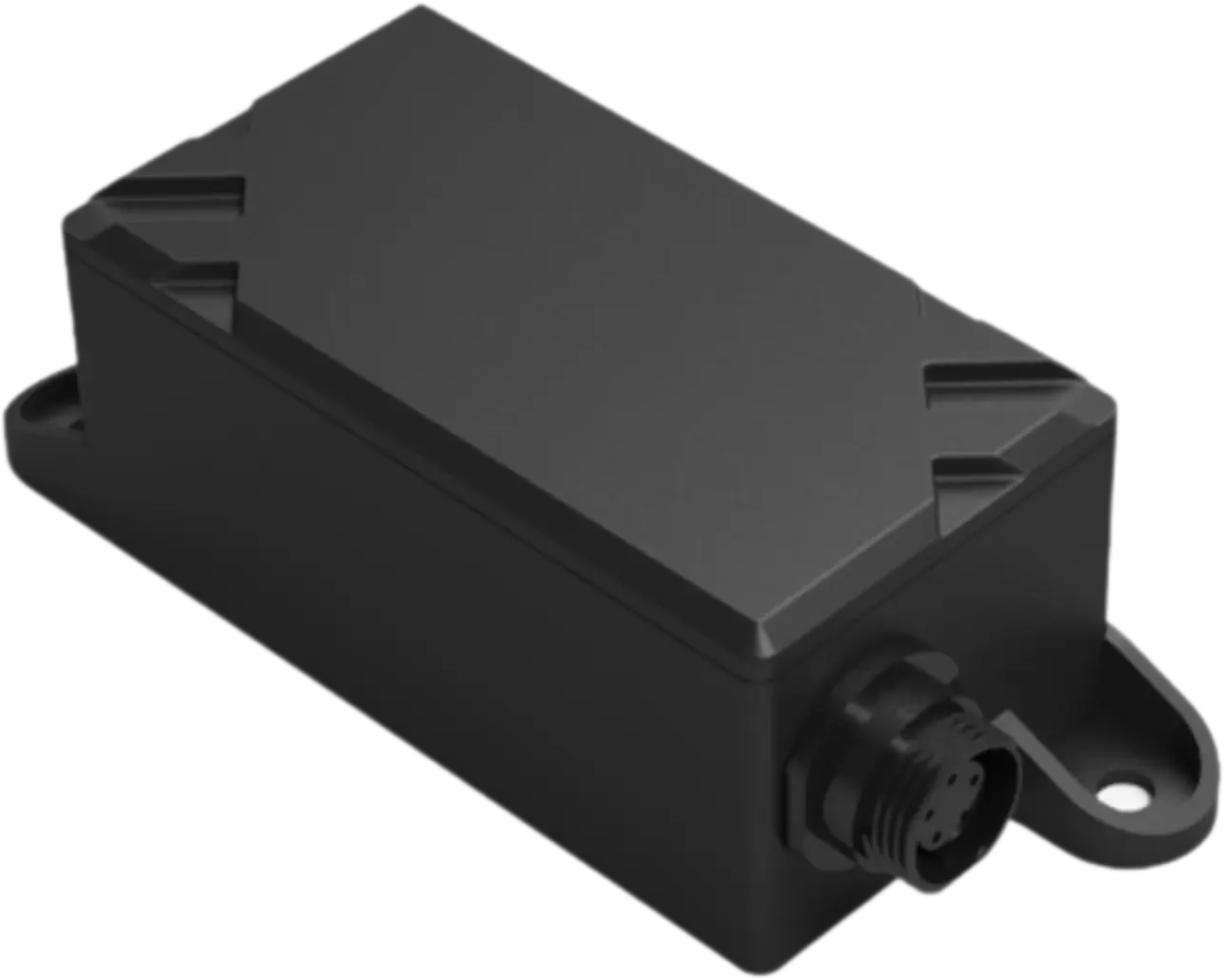
MINI-VIB
A compact vibration sensor for discreet, low-profile deployments where space and concealment matter most.
 10m / 32.8ft (hard surface)
From Border Patrol to Special Operations
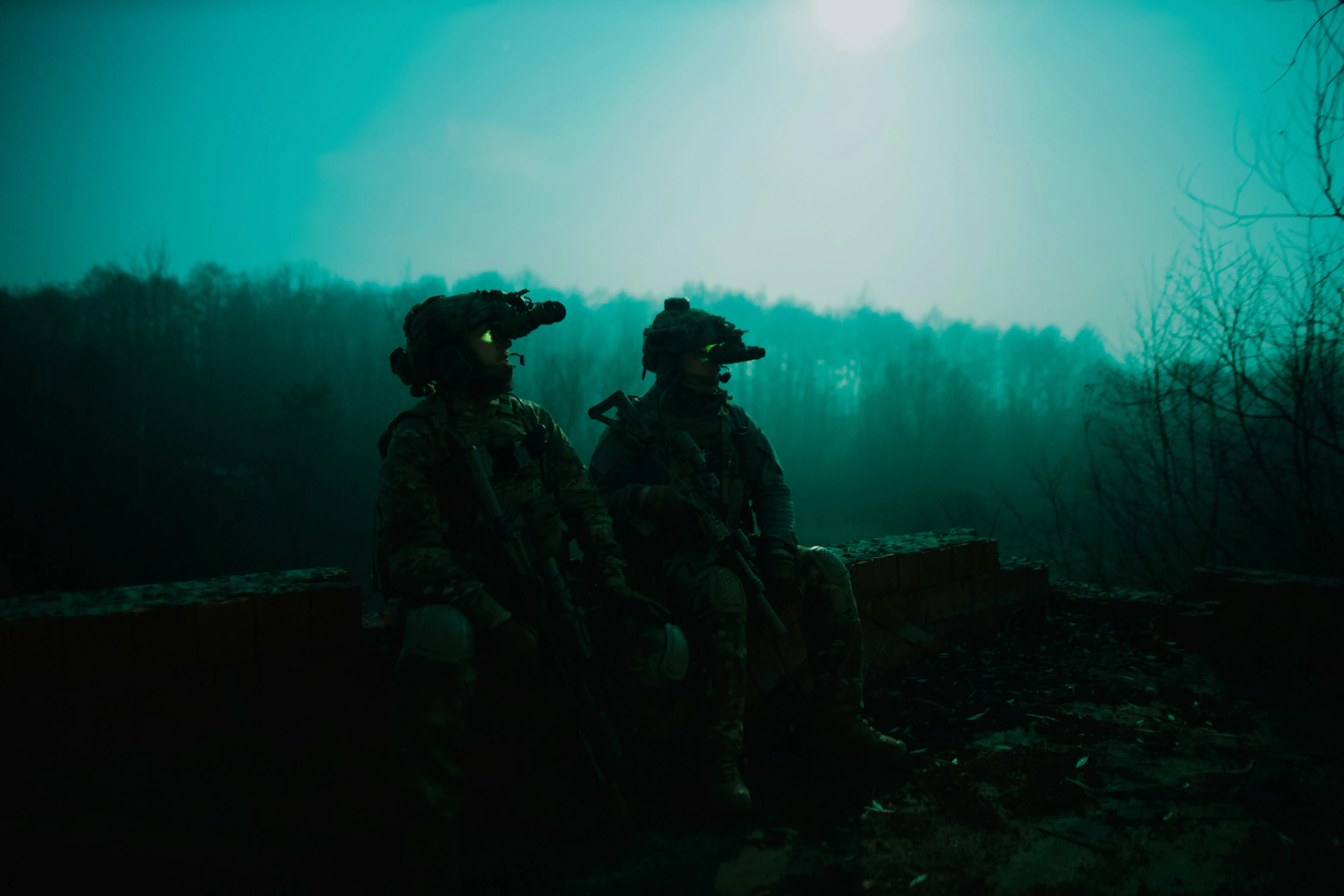
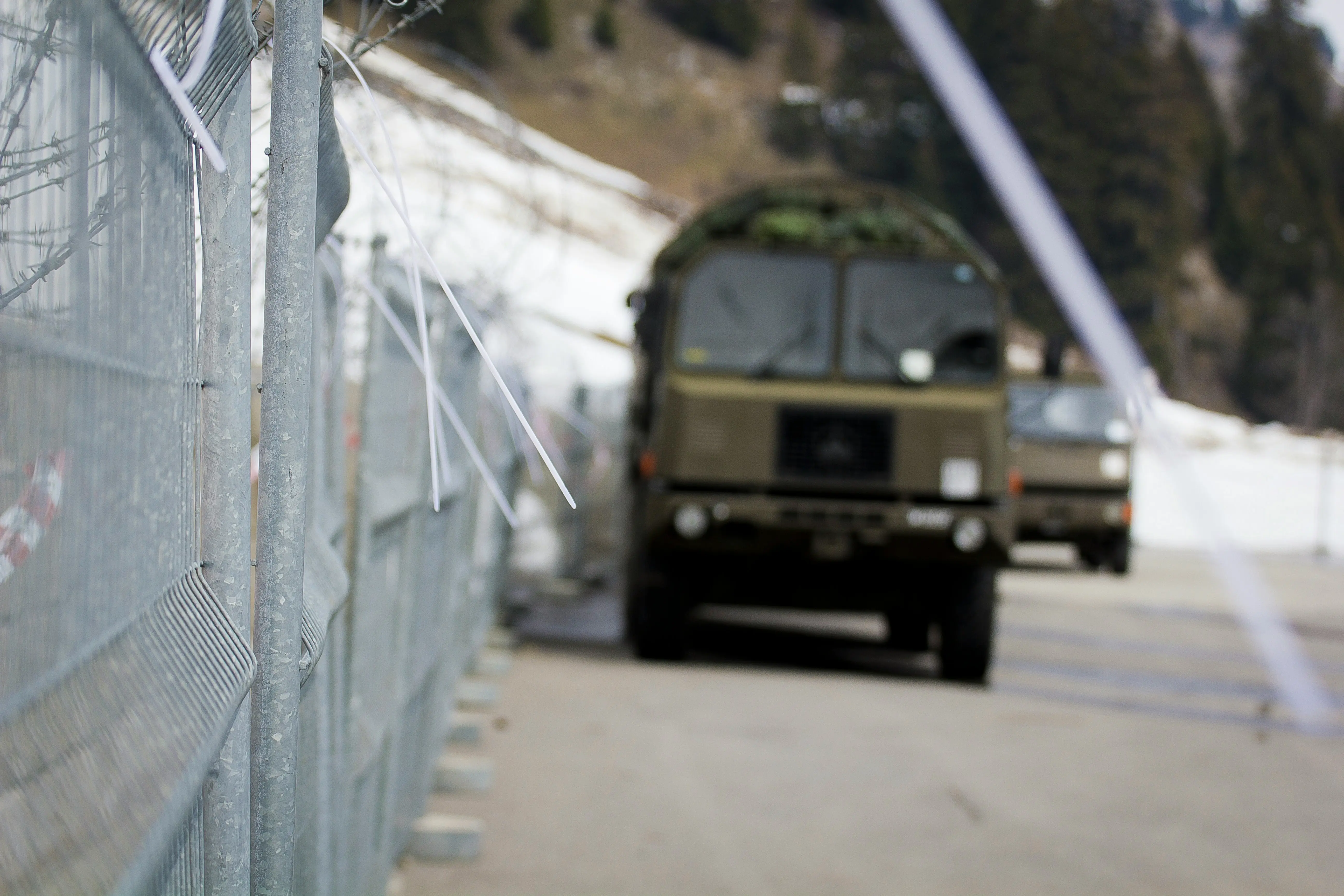
MOSS tactical sensors deploy in minutes to secure military operations, border patrols, special events, and VIP protection. Wherever rapid, invisible detection is needed.
Military Operations
Border Security

VIP Protection

Temporary Perimeters
Special Events

What's in the Kit
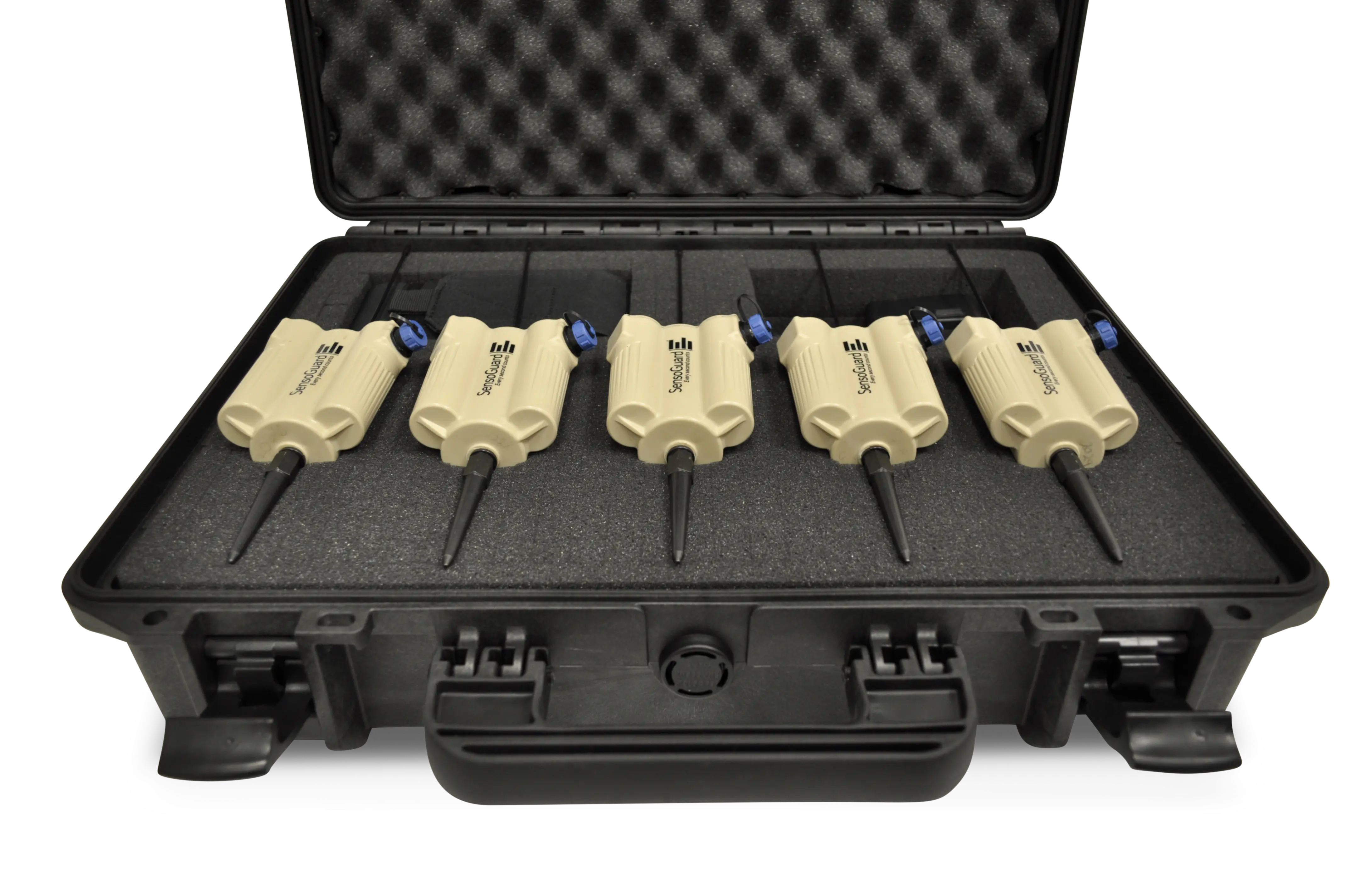
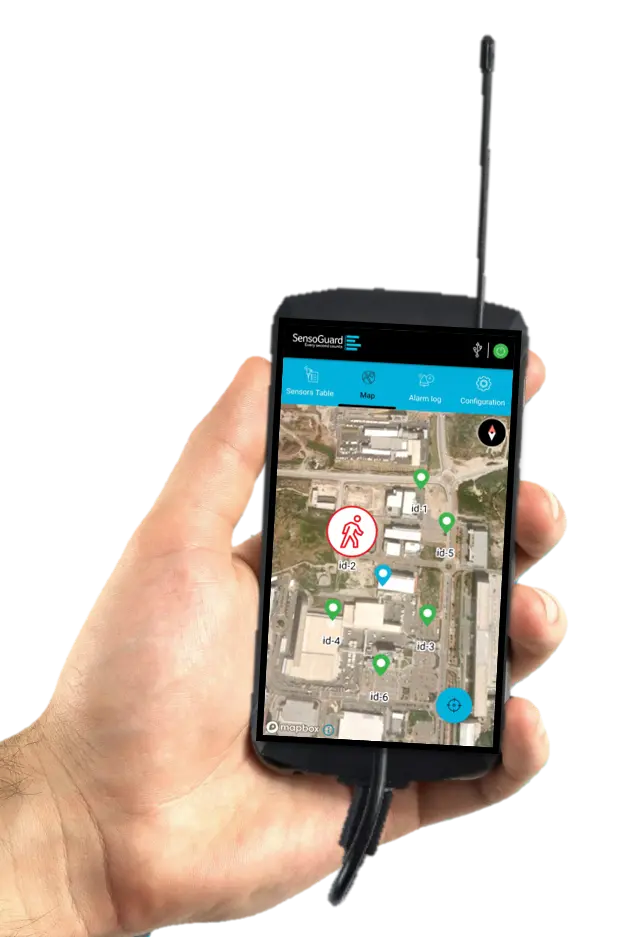
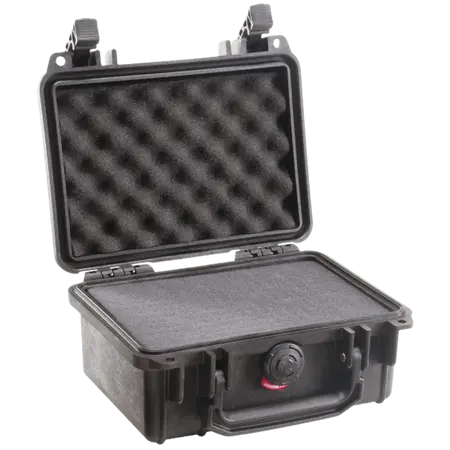
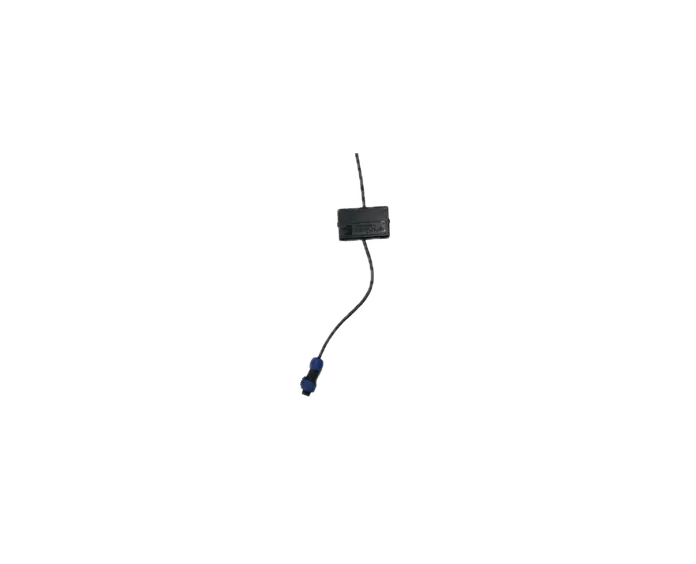
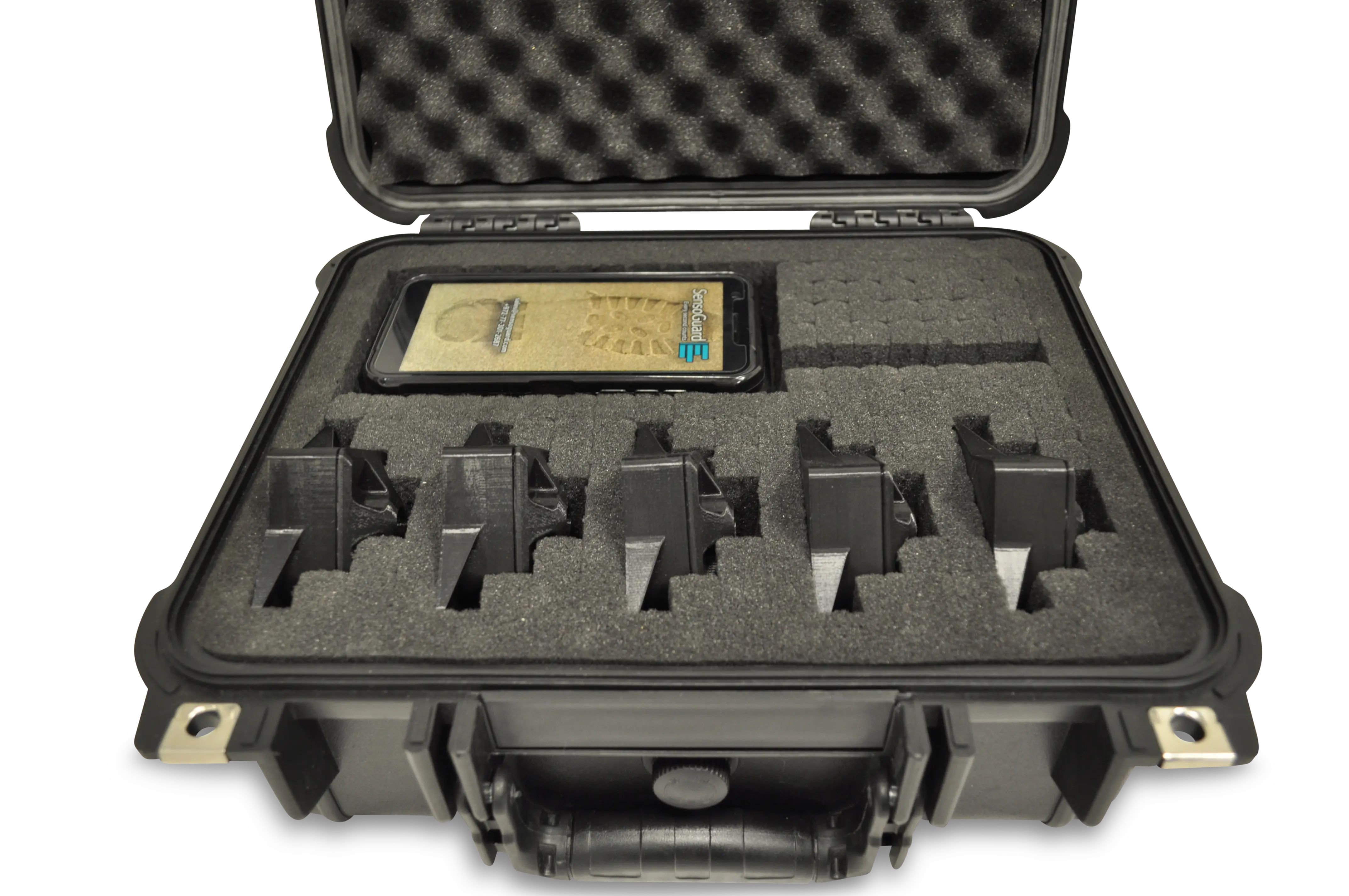
Every MOSS kit ships ready to deploy, choose Outdoor or Indoor to see what's included.

Technical Details
Full specifications for every sensor and accessory in the MOSS lineup.
Detection Capabilities
| Footsteps Detection | Up to 18m / 60ft radius |
| Vehicle Detection | Up to 35m / 115ft radius |
| Digging Detection | Up to 35m / 115ft radius |
| Detection Zone | 360° coverage |
Communication
| RF Frequency | 433MHz (Default), 868/915MHz (Optional) |
| Network Protocol | LoRA (Long Range) low-power wide-area network |
| Transmission Range (Antenna 2cm below ground) | Up to 250m / 820ft radius |
| Transmission Range (Antenna 5cm above ground) | Up to 1km / 3,280ft radius |
Environmental & Power
| IP Rating | IP68 (MIL-STD 810G) |
| Operating Temperature | -40°C to 85°C / -40°F to 185°F |
| Battery Life | Up to 1 year (rechargeable) |
Physical Specifications
| Dimensions (Sensor) | 95mm x 70mm / 3.74″ x 2.7″ |
| Dimensions (Spike) | 75mm / 2.95″ |
| Weight | 500g / 1.1lbs |
| Installation Depth | 30-50cm / 11.8″-19.6″ |
Detection Capabilities
| Detection Range | 10m / 32.8ft |
| Field of View (FOV) | 90° |
Communication
| RF Frequency | 433MHz (Default), 868/915MHz (Optional) |
| Network Protocol | LoRA (Long Range) low-power wide-area network |
| Transmission Range | Up to 250m (Indoor) |
Environmental & Power
| IP Rating | IP67 (MIL-STD 810G) |
| Operating Temperature | -40°C to 85°C / -40°F to 185°F |
| Battery Life | Up to 6 months (rechargeable) |
| Power Consumption | ~2.9mW (0.8mA @ 3.6V) |
Physical Specifications
| Dimensions | 32mm x 40mm x 75mm / 1.2″ x 1.5″ x 2.9″ |
| Weight | 150g / 0.33lbs |
Detection Capabilities
| Detection Range | 5m / 16.4ft |
| Field of View (FOV) | 360° |
Communication
| RF Frequency | 433MHz (Default), 868/915MHz (Optional) |
| Network Protocol | LoRA (Long Range) low-power wide-area network |
| Transmission Range | Up to 250m (Indoor) |
Environmental & Power
| IP Rating | IP67 (MIL-STD 810G) |
| Operating Temperature | -40°C to 85°C / -40°F to 185°F |
| Battery Life | Up to 6 weeks (rechargeable) |
| Power Consumption | ~11mW (3mA @ 3.6V) |
Physical Specifications
| Dimensions | 32mm x 40mm x 75mm / 1.2″ x 1.5″ x 2.9″ |
| Weight | 150g / 0.33lbs |
Detection Capabilities
| Detection Range (Hard Surface) | 10m / 32.8ft radius |
| Detection Capabilities | Hits / Vibration / Drill |
Communication
| RF Frequency | 433MHz (Default), 868/915MHz (Optional) |
| Network Protocol | LoRA (Long Range) low-power wide-area network |
| Transmission Range | Up to 250m (Indoor) |
Environmental & Power
| IP Rating | IP67 (MIL-STD 810G) |
| Operating Temperature | -40°C to 85°C / -40°F to 185°F |
| Battery Life | Up to 3 years (rechargeable) |
| Power Consumption | ~0.3mW (0.1mA @ 3.6V) |
Physical Specifications
| Dimensions | 32mm x 40mm x 75mm / 1.2″ x 1.5″ x 2.9″ |
| Weight | 150g / 0.33lbs |
Communication
| RF Frequency | 433MHz (Default), 868/915MHz (Optional) |
| Network Protocol | LoRA (Long Range) low-power wide-area network |
| Transmission Range | Up to 1km |
Environmental & Power
| IP Rating | IP67 |
| Power Consumption | 16mA |
Physical Specifications
| Dimensions (Without Antenna) | 157mm x 42mm x 66mm / 6.1″ x 1.6″ x 2.5″ |
| Weight | 35g / 0.08lbs |
Why Underground Seismic Outperforms the Alternatives
Three technologies dominate perimeter and field detection today: underground seismic sensors, fence-mounted sensors, and infrared (IR) beams. Here's how they compare.
| Criteria | Underground Seismic Detection | Fence-Mounted Sensors | IR Beams |
|---|---|---|---|
| Visibility to intruders | Fully concealed, no visible hardware | Visible on the fence line | Visible posts and beam path |
| Requires existing infrastructure | No, deploys as standalone stakes | Yes, needs a fence to mount to | No, but needs clear line of sight |
| Weather resistance | Unaffected by rain, wind, or fog | Sensitive to wind-driven fence vibration | Degraded by fog, heavy rain, or snow |
| False alarm sources | Minimal, filtered by adaptive algorithms | Wind, animals, debris hitting the fence | Birds, foliage, dust, and beam misalignment |
| Deployment speed | Minutes, push-in stakes, no digging | Requires an existing or newly built fence | Requires precise transmitter/receiver alignment |
| Terrain adaptability | Works across open ground, slopes, and vegetation | Limited to the fence line itself | Requires straight, unobstructed sightlines |
| Defeat resistance | No wires to cut or panels to bypass | Can be bridged or climbed between sensors | Can potentially be crawled under or jumped over |
Underground seismic detection is the only one of the three that requires no existing infrastructure and no visible hardware to establish a perimeter in the field. Read the full comparison →
Ready for Tactical Deployment?
Contact our military operations team for evaluation
Talk to an ExpertFrequently Asked Questions
Have questions about MOSS? Browse through our frequently asked questions to learn more about deployment, sensors, connectivity, and performance in the field.
How quickly can MOSS be deployed?
MOSS sensors deploy in under 5 minutes, with no trenching or cabling required, just place the unit and it's live. The full kit ships in a single weatherproof, impact-resistant case: five sensors, a HUB gateway that relays data from the field, a rugged handset running the SG-Patrol app, and a multi-bay charger, so a two-person team can be operational on arrival without a professional installer or site survey. This is the core reason MOSS exists as a separate line from Seismic Shield Pro: it trades the buried, wired detection range of a permanent installation for a kit that a field team can pick up, carry, and stand back down again within minutes, suited to operations where the perimeter itself is temporary. Kits ship pre-configured with five outdoor AIO 2 sensors by default, and can be customized with TACT-PIR, TACT-RADAR, or MINI-VIB units instead, so the same 5-minute setup applies whether the mix is tuned for open terrain, indoor points, or gate and container monitoring.
What's the difference between the sensor types?
AIO 2 is the seismic sensor for outdoor perimeter detection, sensing footsteps up to 18m/60ft, and vehicles or digging up to 35m/115ft, in a 360° zone around the unit. TACT-PIR uses passive infrared for indoor motion detection across a 90° field of view out to 10m/32.8ft. TACT-RADAR adds 360° radar coverage at 5m/16.4ft, useful where PIR's fixed field of view is too narrow. MINI-VIB is built for hits, vibration, and drilling detection on gates, containers, or fence lines rather than open-ground movement, at up to 10m/32.8ft on a hard surface. All four share the same wireless backbone, so they mix freely within one deployment depending on what each point on the perimeter needs to sense. A typical kit ships with five AIO 2 units for open-ground coverage, but any of those five slots can be swapped for TACT-PIR, TACT-RADAR, or MINI-VIB instead, so a single order can be configured for a mixed site, gate monitoring alongside open-field detection, without ordering separate kits.
How do sensors communicate with the receiver?
Every sensor uses LoRA (Long Range) low-power wireless at 433MHz by default, with 868/915MHz available as an option, transmitting up to 250m indoors or up to 1km with the antenna held above ground. Each sensor reports to the HUB gateway included in the kit, which relays every detection to the SG-Patrol handset in real time, so the operator sees an alert on the map within seconds of a sensor triggering. Because the link is wireless end to end, sensors can be repositioned without rerunning cable, and the whole kit can be relocated to a new perimeter as fast as it can be picked up and carried, the same infrastructure-free design that makes the 5-minute deployment possible. The 250m/1km transmission range also determines how far sensors can be spread from the HUB itself, so larger perimeters are typically covered by positioning the HUB centrally rather than at one edge of the site.
How long do the batteries last?
Battery life varies by sensor and how hard it's working: AIO 2 lasts up to 1 year, TACT-PIR up to 6 months, MINI-VIB up to 3 years, and TACT-RADAR up to 6 weeks under continuous operation, reflecting radar's higher power draw (~11mW) versus PIR's (~2.9mW). All four sensors use rechargeable batteries and return to the kit's multi-bay charging station between deployments, so a team can recharge the entire set overnight rather than sourcing replacement batteries in the field. Because the sensors report their status back through the HUB, operators can check remaining battery life for every unit from the SG-Patrol app instead of physically inspecting each sensor before a mission. In practice, this means a team can check every unit's charge level the night before a deployment and only need to swap or top up the ones running low, rather than recharging the full kit as a precaution regardless of actual need.
Are MOSS sensors rated for harsh environments?
Yes. Every sensor is IP67 or IP68 rated and MIL-STD-810G compliant, the same military environmental-durability standard SensoGuard's other hardware is built to, and each operates across a -40°C to 85°C (-40°F to 185°F) range, covering conditions from arctic cold to desert heat. The kit case itself is also weatherproof and impact-resistant, so the whole system, not just the individual sensors, is built to survive transport and repeated field deployment rather than a single controlled installation. That combination of sensor-level and case-level durability is what lets MOSS move between sites and climates without special handling, which matters for a kit that's meant to be picked up and redeployed rather than left in place. It's the same design philosophy behind Seismic Shield Pro's buried sensors, environmental resilience without a controlled installation environment, just applied to hardware built to travel instead of stay buried.
What is MOSS used for?
MOSS is built for rapid, infrastructure-free deployment, commonly used for military operations, border security, and VIP protection, as well as special events and temporary perimeters. What these use cases share is that a permanent, buried installation like Seismic Shield Pro isn't practical, either because the site changes location (a patrol route, a mobile command post), the deployment is short-term (a special event, a temporary encampment), or the team needs to establish coverage before there's time to plan a fixed installation. In each case, the same core sensors used across SensoGuard's product line are packaged into a kit optimized for speed and portability rather than maximum permanent coverage. That shared hardware also means an operator trained on one SensoGuard system can pick up MOSS with minimal retraining, since the sensor types and the SG-Patrol interface work the same way across deployments.